


I landed back home last Friday, dropped my bag by the door, and sat on the couch for about twenty minutes without turning on any lights. My wife asked if I was okay. I said yes. I wasn’t lying exactly. Nothing bad had happened, I was a crazy long trip back home but the trip was fine. The trip was more than fine. That was the whole problem.
This was my second trip to Japan. I thought I knew what coming home would feel like because I’d done it before. Three years ago, after my first trip, I chalked up the weird low-grade sadness to jet lag and the general misery of returning to a full inbox after two weeks away. Standard stuff. By day four or five back home, it had faded and I moved on.
It’s Monday now. Three days since I landed. It hasn’t faded yet.
I keep finding myself opening Google Maps and zooming into neighborhoods I walked through in Tokyo, not looking for anything specific, just... looking. My wife noticed me doing it yesterday. I couldn’t really explain what I was doing. I wasn’t planning another trip. I was just, I don’t know, visiting somehow.
That’s when I started looking into whether this was a recognized thing. It is. It has a name. And understanding the name didn’t make the feeling go away, but it made me feel considerably less like I was being dramatic.
The Second Time it Hit Me Harder
I should back up and explain what I was even doing in Japan, because “I love Japan” is something a lot of people say without having a particularly good reason for it beyond anime or sushi. My relationship with Japan is longer and weirder than a casual interest.
I’ve been fascinated by Japanese culture since my teens. The films, the music, the history, the design sensibility, the way everyday objects get treated with a level of care that borders on spiritual. I’ve read enough about it, watched enough of it, listened to enough of it that I sometimes forget I don’t actually speak the language.
Which brings me to something embarrassing: I have tried, twice now, to learn Japanese. Properly. With apps, with flashcards, with a workbook I bought that made me feel very serious and committed for about three months. Both attempts ended approximately at the point where I realized I was going to have to learn three separate writing systems and that hiragana alone was going to take months of daily work I clearly wasn’t willing to put in.
My Japanese vocabulary currently consists of “thank you,” “excuse me,” and the ability to order beer, which got me further than you’d expect but also meant I was entirely dependent on the kindness of strangers for anything logistically complicated.
That dependency, by the way, was never a problem. Not once in two trips. Which is part of what makes coming home so disorienting.
The first trip three years ago was twelve days. This one was ten. I’ve seen people in online communities describe month-long trips followed by what sounds like months of readjustment. My experience is shorter and probably milder. I don’t want to overstate it, especially since I’m still in the middle of it and can’t yet see how long it lasts this time.
What I can say is that the second trip is hitting harder coming home than the first did. I think it’s because the first time, part of my brain was still in tourist mode, cataloging experiences, collecting impressions. This time, I wasn’t seeing Japan fresh. I was recognizing it. Feeling comfortable in it in a way that took years of reading and watching to build. That comfort, when it got yanked away at Narita Airport, left a much bigger hole.

What Japan Actually Is (Not the Tourist Brochure Version)
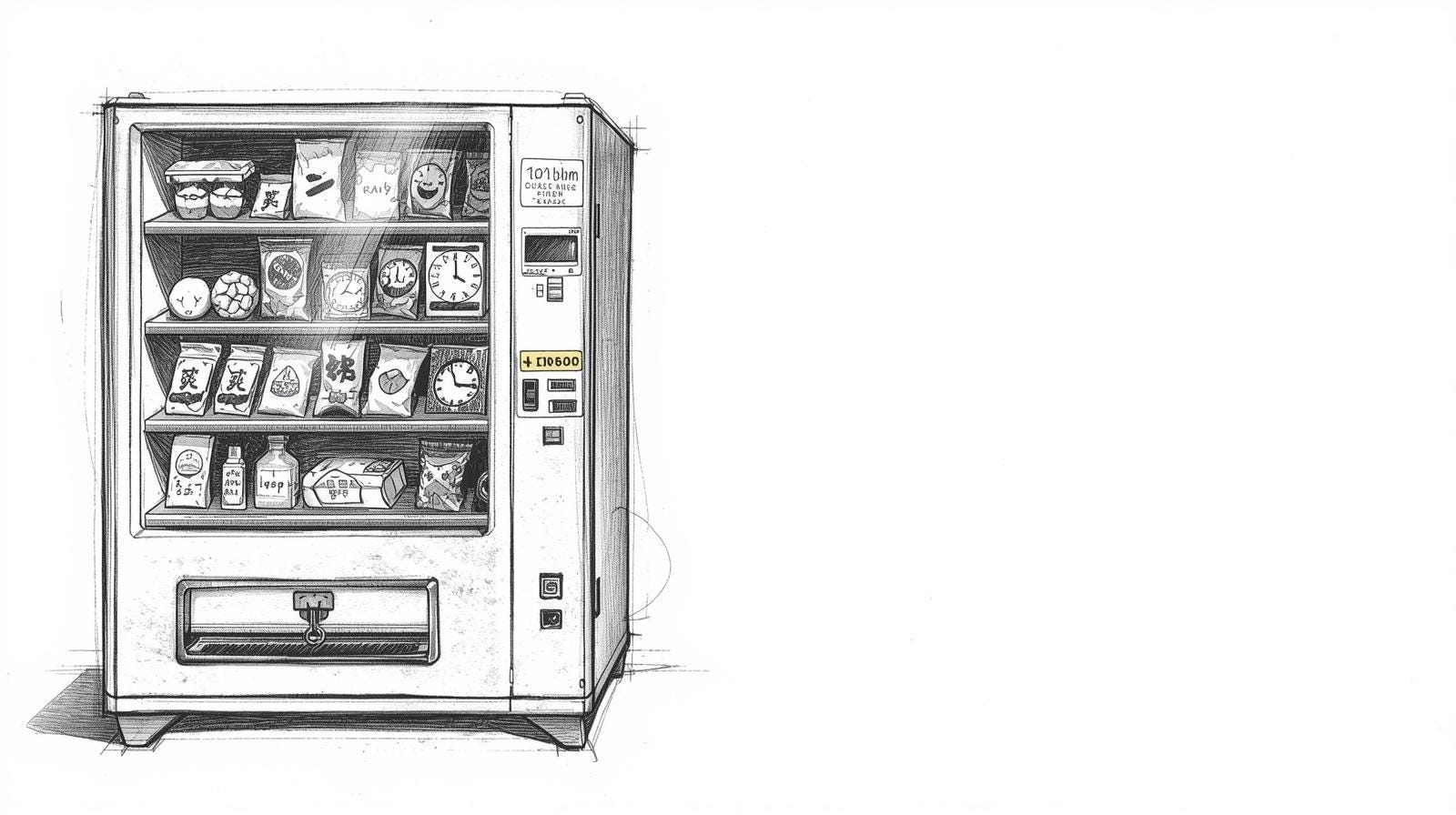
People who haven’t been to Japan sometimes think the appeal is about novelty. The weird vending machines, the capsule hotels, the cherry blossoms. And yes, all of that is real. But the novelty angle misses what actually gets you.
What gets you is the baseline level of everything.
The trains run on time. Not “usually on time” or “pretty reliable.” The Shinkansen apologizes if it’s one minute late. One minute. The convenience stores, the konbini that are on every corner, sell food that is genuinely good. Not gas station hot dog good. Properly prepared food with fresh ingredients that tastes like someone cared.
The streets are clean. Not “cleaned weekly” clean. Actively, persistently, mysteriously clean, given how many people are moving through them. Nobody is yelling. Nobody is honking pointlessly. You can walk through a packed neighborhood at midnight and feel completely safe.
None of this sounds revolutionary when you list it out. “Clean streets and good convenience store food” doesn’t explain why people are sad on the plane home. But it accumulates. You spend ten days being surrounded by small signals that things work, that people are considerate, that the systems holding daily life together are functioning at a level that somewhere along the way you stopped expecting from your own home country.
And then you come home and the airport is a little chaotic and the cab driver cuts someone off and the coffee at the arrivals hall is mediocre and it’s all completely normal by the standards of everywhere else you’ve ever lived, but your calibration is temporarily broken.
That recalibration problem is at the center of what Post-Japan Depression actually is.
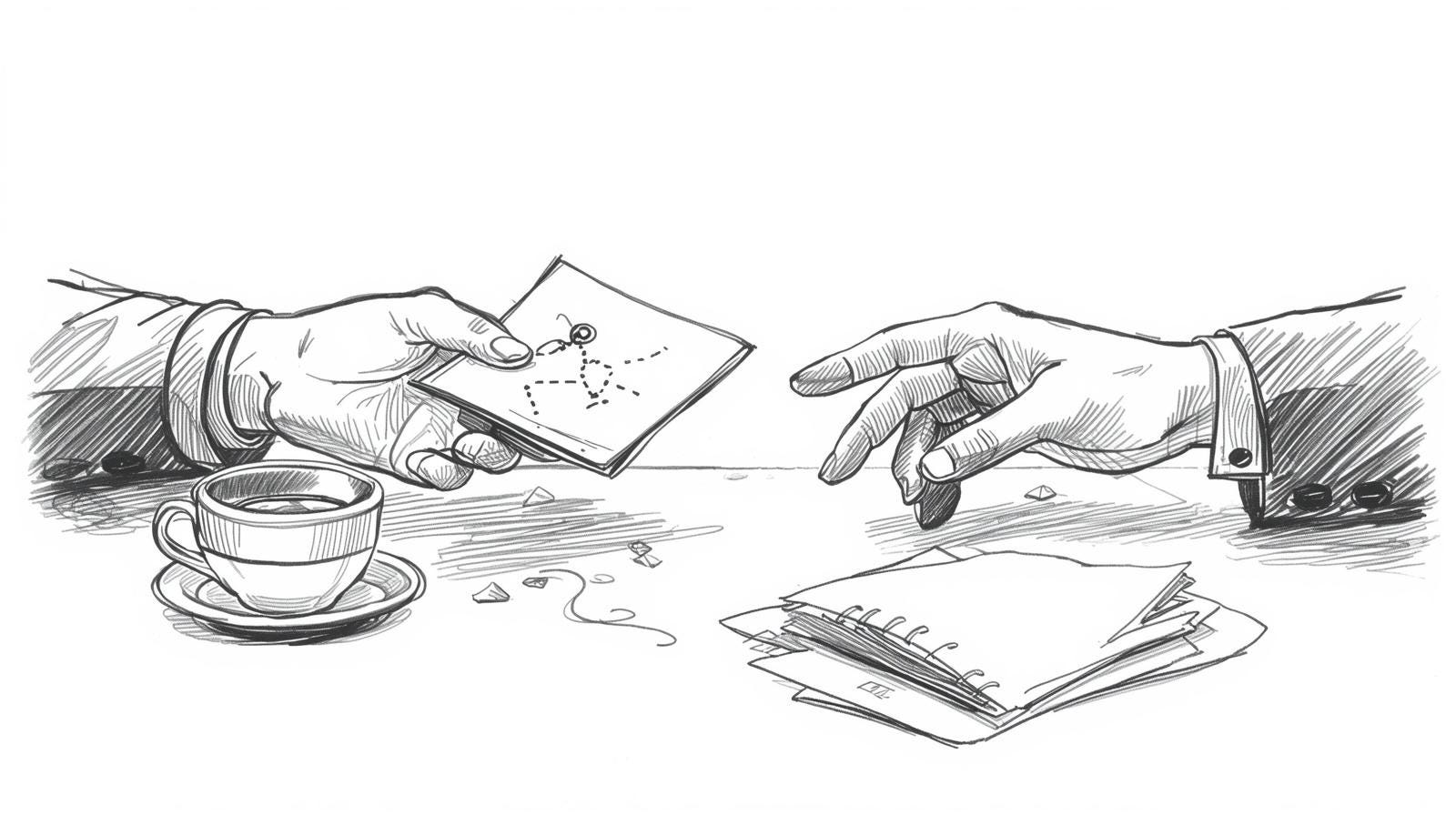
I also want to say something about the people, because I think this gets glossed over in favor of talking about infrastructure. In Japan, I had a shopkeeper in Kyoto spend fifteen minutes helping me find a specific type of tea I’d read about, using a translation app, drawing a small map on a piece of paper she’d cut from a notebook, and bowing apologetically when the shop she sent me to turned out to be closed on Wednesdays.
She didn’t work at that shop. She just wanted to help. Interactions like that happened repeatedly. Not occasionally, not once or twice as a memorable exception. Repeatedly. Coming home, where the baseline of interpersonal friction is just higher, is an adjustment that takes longer than a week. I say that knowing it’s only been three days, and maybe by next weekend I’ll feel fine. But right now, the contrast is sharp enough to notice every hour.
Your Brain on Konbini and Punctual Trains
Here’s what’s actually happening when you can’t stop zooming into Tokyo neighborhoods on Google Maps two days after landing.
Japan delivers a sustained, consistent stream of small positive experiences. Not big dramatic highs. Small ones. The perfectly packaged onigiri (yes, I still cannot properly open it). The seat that reclines exactly far enough. The sound the train doors make. The way hotel staff hand you things with both hands.
These are minor individually, but they’re continuous. Ten days of constant, small, positive sensory feedback does something to your dopamine system that a single big positive experience doesn’t. The brain isn’t just remembering a highlight reel. It built expectations.
When you return to an environment where those small positive signals aren’t there, the brain doesn’t just notice their absence. It reads the absence as a problem to solve. Where’s the signal? Why isn’t it coming? That low-level seeking state is exhausting in a way that’s hard to explain to someone who hasn’t experienced it.
There’s a related mechanism psychologists call hedonic adaptation, which describes how humans adjust their emotional baseline to match their circumstances. You get a raise, feel great for a few weeks, return to roughly the same happiness level. You move to a nicer apartment, love it for a month, and then it’s just where you live.
Japan disrupts this because the positive signals never stopped during the trip long enough for you to adapt to them. You came home before adaptation could happen. So you’re not comparing Japan to home from a neutral position. You’re comparing it from a position where Japan still feels recent and vivid and home feels like a downgrade from something you haven’t fully adjusted away from yet.
Research on reverse culture shock, which is the broader category that PJD falls into, has documented this experience in returning exchange students, Peace Corps volunteers, and long-term expats for decades. A 1963 paper by sociologist Cora Du Bois described “re-entry shock” in American students returning from study abroad, and the pattern she outlined then matches what Japan travelers describe now almost exactly: initial disorientation, a period of comparison and mild hostility toward home, gradual readjustment.
What she was documenting in students who’d spent a year abroad, Japan visitors are experiencing after twelve days, which tells you something about how concentrated and immersive Japan is as an environment compared to most destinations.
I don’t know how much of the research on reverse culture shock maps cleanly onto two-week tourism versus six-month study abroad. The intensity difference probably matters. My PJD right now is real but not debilitating. It’s more like a persistent low mood and an inability to get excited about things I normally like. Whether that’s the same mechanism operating at lower intensity, or something slightly different happening in the brain, I genuinely can’t say. The research isn’t really about leisure tourists specifically.
Post-Japan Depression is a Real Thing With a Name
PJD isn’t a clinical diagnosis. No psychiatrist is going to write it in your file. But it’s a widely recognized informal term among Japan travelers, and the communities around it, on Reddit’s r/japanlife, on various Facebook travel groups, attract thousands of people describing essentially identical experiences.
The similarity across different nationalities, age groups, and trip lengths is striking. I found those threads on Saturday morning, two days ago, sitting in the kitchen before my wife woke up, still on Japan time and not entirely sure what country I was in emotionally.
The standard post-vacation dip is documented. A 2010 study published in the journal Applied Research in Quality of Life looked at 974 Dutch vacationers and found that the happiness boost from a vacation largely disappears within two weeks of returning home, and that the only variable that significantly affected post-trip wellbeing was the degree to which the vacation felt relaxed versus stressful.
Japan is interesting here, because it doesn’t feel relaxing in the conventional sense. It’s stimulating. Busy. There’s a lot to process. But it’s stimulating in a way that feels good, which may be why the post-Japan dip seems to outlast the typical two-week window that study described.
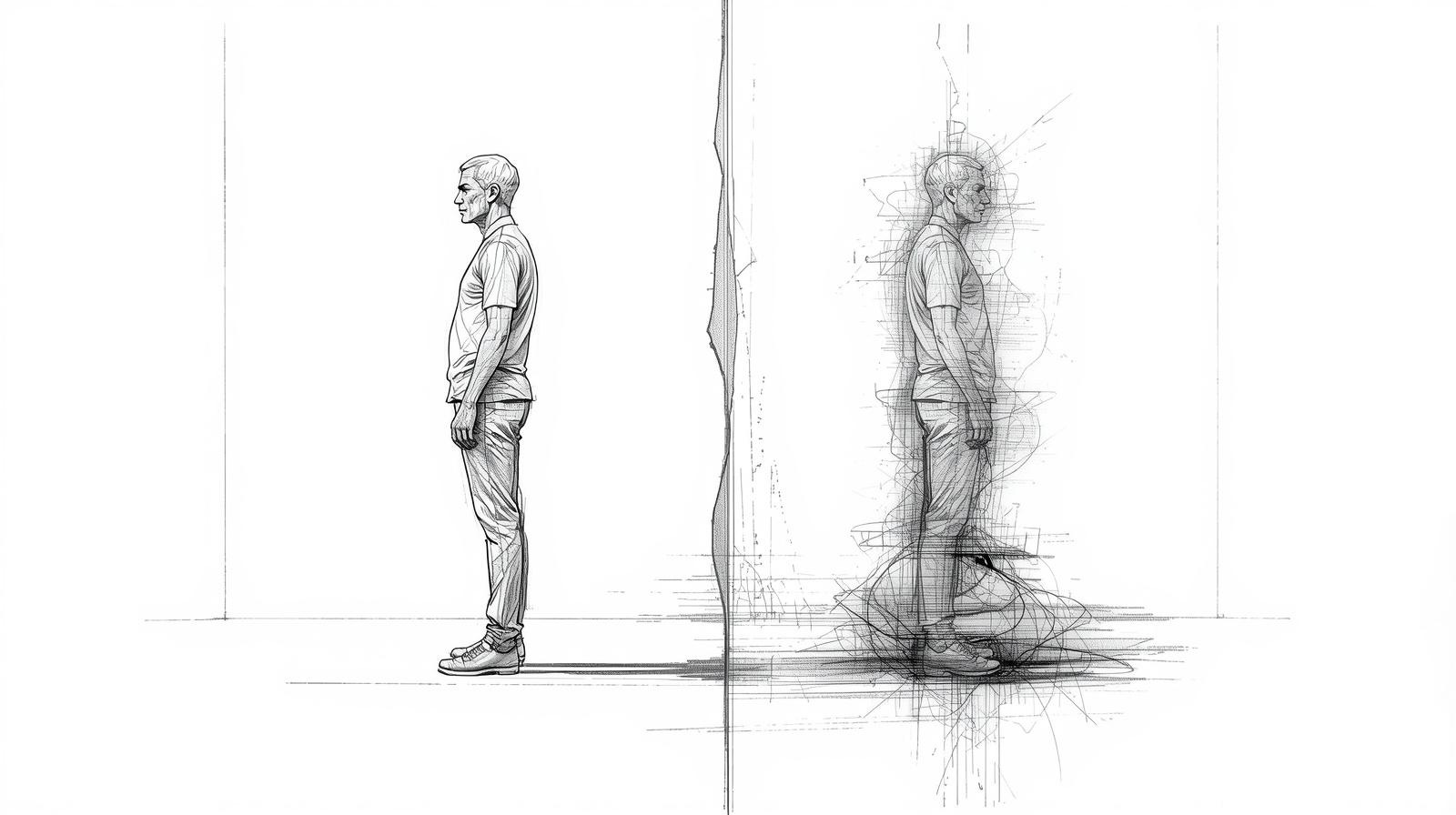
The other thing that distinguishes PJD from regular post-vacation blues is the identity component. A lot of people come back from Japan feeling like something about their values or preferences shifted, and those shifted values don’t map onto their actual life at home.
You spent two weeks in a culture that prizes quiet, consideration, craftsmanship, and collective civility, and now you’re back somewhere louder and more frantic and less organized, and the gap between who you briefly were in Japan and who you have to be at home is its own source of friction.
I’m three days in and already feeling that gap. Japan probably does change something about what you’re able to tolerate, and I suspect readjusting never fully erases that.
There’s something I keep thinking about that I haven’t resolved, whether PJD eventually makes you want to move to Japan, and whether that’s a reasonable impulse or a romanticized response to contrast that would dissolve if you actually lived there full-time.
I’ve read accounts from expats who say the reality of living there long-term comes with its own set of frustrations that tourism completely hides. But I’ve also read accounts from people who moved there and stayed. I don’t know what I’d do if distance and airfare weren’t factors.
What Helps (and What Doesn’t, Mostly)
Here’s what I’ve seen suggested:
Planning the next trip is, by a wide margin, the most effective short-term intervention. Not because it’s a rational response, but because it gives your brain something to look forward to that isn’t abstract. The next trip might be two years away. Doesn’t matter. The planning itself, researching neighborhoods, reading about trains, looking at hotel reviews, acts as a kind of proxy for being there.
I spent a chunk of Sunday building a rough itinerary for a trip I have no concrete plans to take. The day was grey, I was supposed to be unpacking properly, and I had a cup of tea going cold next to me for most of it. But my mood was measurably better by dinner.
Staying connected to Japan at home works, within limits. Eating at a good Japanese restaurant helps for a few hours (plus its quite expensive where I live). Rewatching a film you associate with the trip helps a little (Kingdom 1-4 movies helped). Cooking Japanese food at home is actually pretty good because it requires attention and care in a way that mirrors the deliberateness of Japanese daily life, even if your gyudon doesn’t taste anything like what you had in Osaka.
The limit is that these things are reminders, and reminders can cut both ways. Some moments, the connection feels warm. Other moments it just underlines that you’re not there. There’s no predicting which it’ll be, and at three days out I’m still mostly landing on the wrong side.
What doesn’t help: trying to explain PJD to people who haven’t been to Japan. I’ve tried, twice now since Friday. The responses range from polite confusion to gentle concern that maybe I need to get some perspective. One friend suggested that if I missed Japan that much I should “just go back,” as if that was a clarifying thought rather than something that costs approximately two thousand dollars to act on.
The honest answer is that PJD fades on its own over a few weeks, regardless of what you do, it happend before and it will happen again. Time is doing most of the work. The interventions are mostly about getting through the time without sitting in the dark. I don’t know yet how long this round will take. Three years ago it was gone by day five. Right now, day three, it doesn’t feel close to gone.
I’m going back someday. My wife knows. She feels the same way about it, which helps. Japan is my happy place in a way I don’t fully understand and can’t entirely explain. And even knowing this is what coming home feels like, I’d book the flight again without much deliberation.
The bag I dropped by the door Friday is still there, half unpacked.
In case you missed it:


