


Sometime in the third month after losing his job, Marek stopped calling it a wake-up call. He’d said it so many times by then, to his wife, to his mother, to anyone who asked how he was doing, that the phrase had gone completely hollow.
He was still watching three or four episodes of something before midnight. He’d sent out six applications in eight weeks and told himself he was being strategic about it. He wasn’t sleeping well, and there was a half-finished cover letter sitting open in a browser tab he kept minimizing.
The wake-up call framing had done exactly nothing except give him a tidy story to carry around.
I’ve been thinking about Marek’s situation a lot lately. He’s a composite of maybe five or six people I’ve observed closely enough to have real information, not one specific person. His situation captures something real about how low points actually work, which is usually not the way we describe them. We talk about burnout, breakups, and rejection as if the bad event is the agent of change. The thing happens, and then transformation follows, the way a match lights a fuse.
That’s not what happens.
What actually happens is that something breaks. There’s pain, sometimes genuine grief. And then there’s a window. Not a long one. It opens in the space between when the worst of the acute distress has lifted slightly and when your old patterns have fully rebuilt themselves.
During that window, you have more genuine flexibility than usual. The familiar routines, the ones that helped create the conditions for burnout or kept you in the wrong situation, are momentarily offline.
Most people spend that window waiting for the pain to motivate them.
It doesn’t. Pain is a condition. It’s not a force that propels you toward a better life, and treating it like one is how people miss the only period when change is actually available to them.
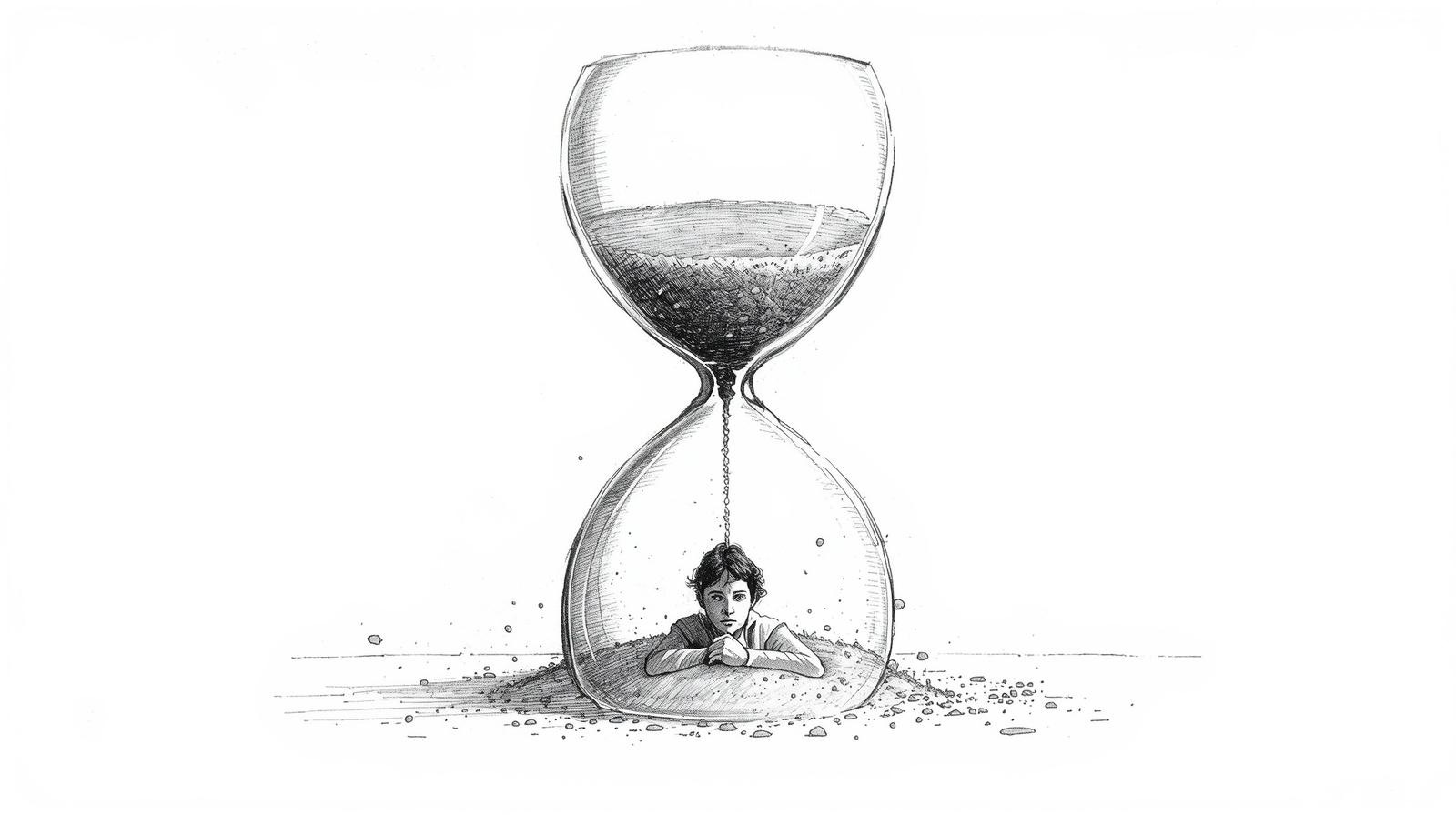
The Mythology of Rock Bottom
There’s a persistent belief, especially in self-improvement writing, that rock bottom is reliable. Hit it hard enough and a rebound is guaranteed. The logic is almost physical: compress something far enough, it springs back.
This belief does something specific. It encourages passivity during the exact period when action matters most. If the low point is the catalyst, then you don’t need to do anything except endure it long enough. The change will come.
Richard Tedeschi and Lawrence Calhoun at UNC Charlotte spent years studying what they called post-traumatic growth, the genuine positive change that some people report following serious crisis. Things like a deeper sense of meaning, stronger relationships, a clearer sense of what they actually want. Their work, beginning in the mid-1990s, found real evidence that crisis can produce this. The concept is legitimate and well-documented.
But here’s what their research also showed, and what almost nobody who cites it bothers to mention: post-traumatic growth and post-traumatic stress are not opposites. The people who grew were often also the people still carrying real damage. Growth didn’t replace suffering. It coexisted with it.
And a significant portion of people who went through comparable crises simply returned to baseline. They recovered. They didn’t grow. The crisis happened, they endured it, and then they reconstituted more or less the same life they had before, same patterns intact, same unexamined assumptions in place.
Recovery is not transformation. It just requires less effort.
There’s also something I genuinely don’t have a satisfying answer for. The relationship between the size of the blow and the size of the response is wildly inconsistent. Some people seem to reach their window from relatively minor setbacks, a mid-level rejection, a mediocre annual review, while others survive catastrophic losses and emerge more or less unchanged.
I’ve watched this happen enough times that I stopped expecting a pattern. Anyone who claims there’s a clean explanation for it is probably working backward from the cases that confirmed their theory.
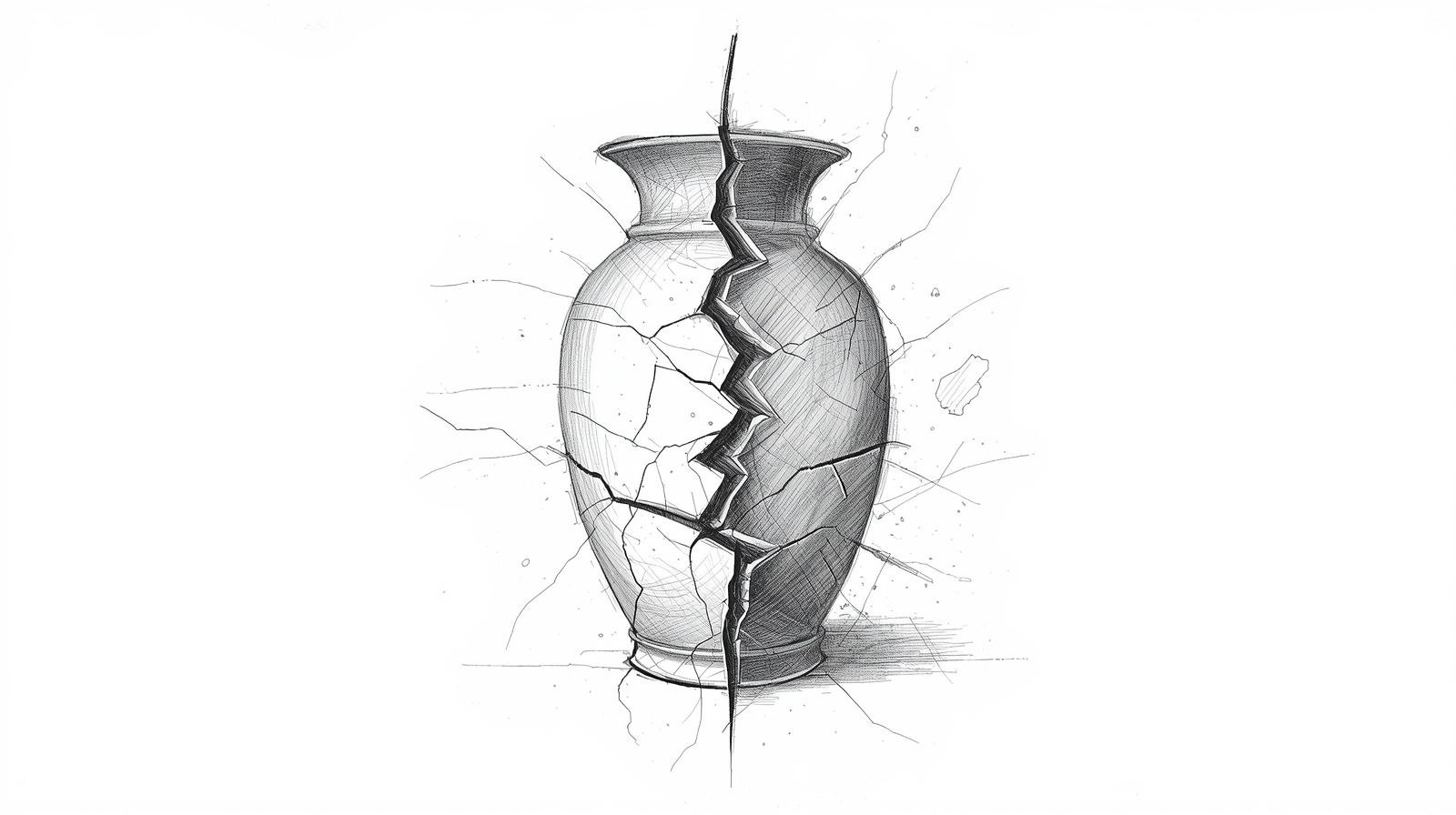
Pain is Necessary But Not Sufficient
The standard script for how low points produce change runs like this: bad thing happens, person hits bottom, discomfort becomes unbearable, person changes to escape the discomfort. This is a behavioral model. It treats humans as things that will eventually move away from whatever is burning them.
Sometimes that’s true. But it gets the mechanism wrong.
Barbara Fredrickson at UNC Chapel Hill has spent decades researching positive emotions and their effect on cognition. Her broaden-and-build theory, published in a 2001 paper in American Psychologist, argues that positive emotional states expand what she calls your thought-action repertoire.
They widen the range of behaviors you can actually see as possible options. Negative states narrow that range. Which has real survival value in acute emergencies. Terrible value when you’re trying to redesign your professional life or your relationship patterns.
What this means in practice: when you’re in serious pain after a major setback, the mental conditions required to imagine a genuinely different future are partially unavailable. You’re in tunnel mode. You can see the next safe step, maybe two. Wholesale reconstruction of your identity is not something you can do from inside acute grief. That’s not a character failing. It’s how stressed cognition works.
So the window matters not because the pain eventually disappears, but because there’s a brief period, usually a few weeks to a few months, when the worst of the acute distress has lifted slightly but the old habitual patterns haven’t re-established themselves. Your previous routines are momentarily offline. Slightly more flexibility than usual. Decisions made during this period tend to stick.
The people who use low points well tend to act inside that window before the numbness fully arrives. Not on the first terrible day, but before they’ve recovered enough to retroactively decide the thing wasn’t that bad, or concluded that a minor adjustment is all that’s required.
I’ve watched a few people miss this entirely by spending the window processing. Daily journaling, long conversations with friends about what happened, therapy, which is genuinely worth doing regardless.
The processing is necessary. But processing and deciding are not the same event. Someone can spend three months in therapy working through why they burned out and still, at the end of it, take the same kind of job at a different company under slightly different conditions.
This is also around the time when “processing” became a culturally dominant frame for responding to hard things, somewhere in the last fifteen years, and I sometimes wonder whether that framing gives people permission to stay in reflection mode longer than is actually useful. I don’t have data on this. It’s just a thing I notice.
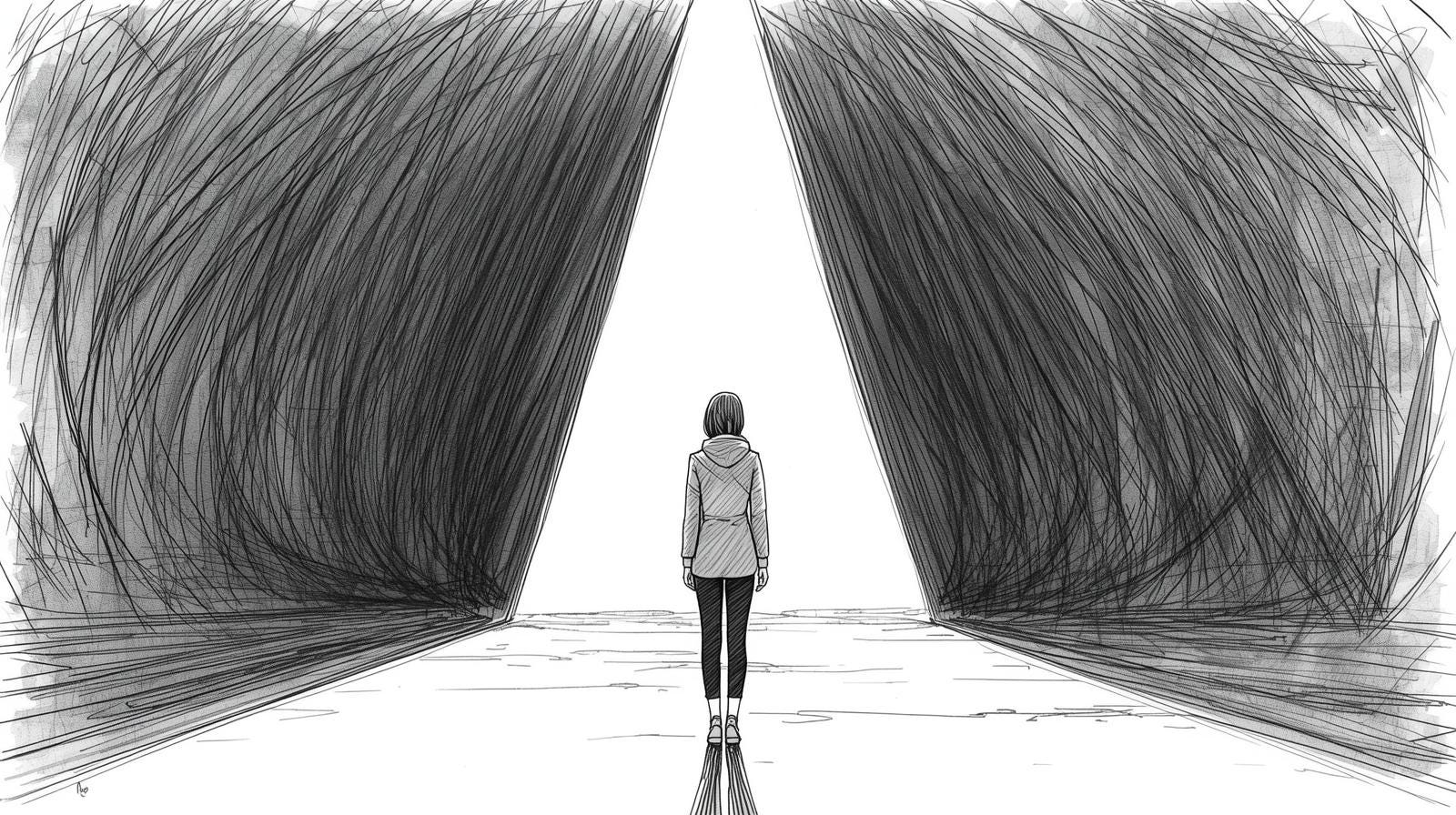
What the Growth Research Actually Showed
Post-traumatic growth, in the research, is not spontaneous. Tedeschi and Calhoun describe a process involving what they call deliberate rumination (the voluntary, active process of thinking about a stressful event or personal challenge to understand it, find meaning, and foster growth.)
The person actively works to make sense of the event, tests their previous beliefs against what happened, and revises their understanding of themselves and the world.
The operational version of that is more specific than it sounds. It requires that the person actually allow the crisis to challenge their prior beliefs. Not just feel bad about the outcome, but genuinely question whether the framework they were operating in was wrong.
That’s much harder than it sounds.
Klára gets laid off from a company she poured herself into for four years. The diagnosis she lands on: the company was poorly managed, the leadership made bad decisions, the market shifted. All of which might be true.
What she doesn’t examine, because it’s more uncomfortable, is why she stayed that long when she’d known something was wrong, or what that intensity of investment was compensating for, or what she’d been avoiding thinking about by staying that busy.
The situation-level diagnosis leads to a situation-level fix: find a better company, vet the culture more carefully next time. The system-level diagnosis leads somewhere harder and more interesting.
I’m not saying everyone who experiences a low point is responsible for engineering it, and I’m not saying looking inward is always the right move. Sometimes a job just ends badly and the healthiest thing is to process it and move forward without extensive excavation. I’ve seen people dig and dig and find nothing useful, just old discomfort that doesn’t connect to anything actionable. There’s no universal prescription.
But for the people for whom a low point does produce real change, what I consistently observe is not that the pain motivated them. It’s that they questioned something they hadn’t previously been willing to question.
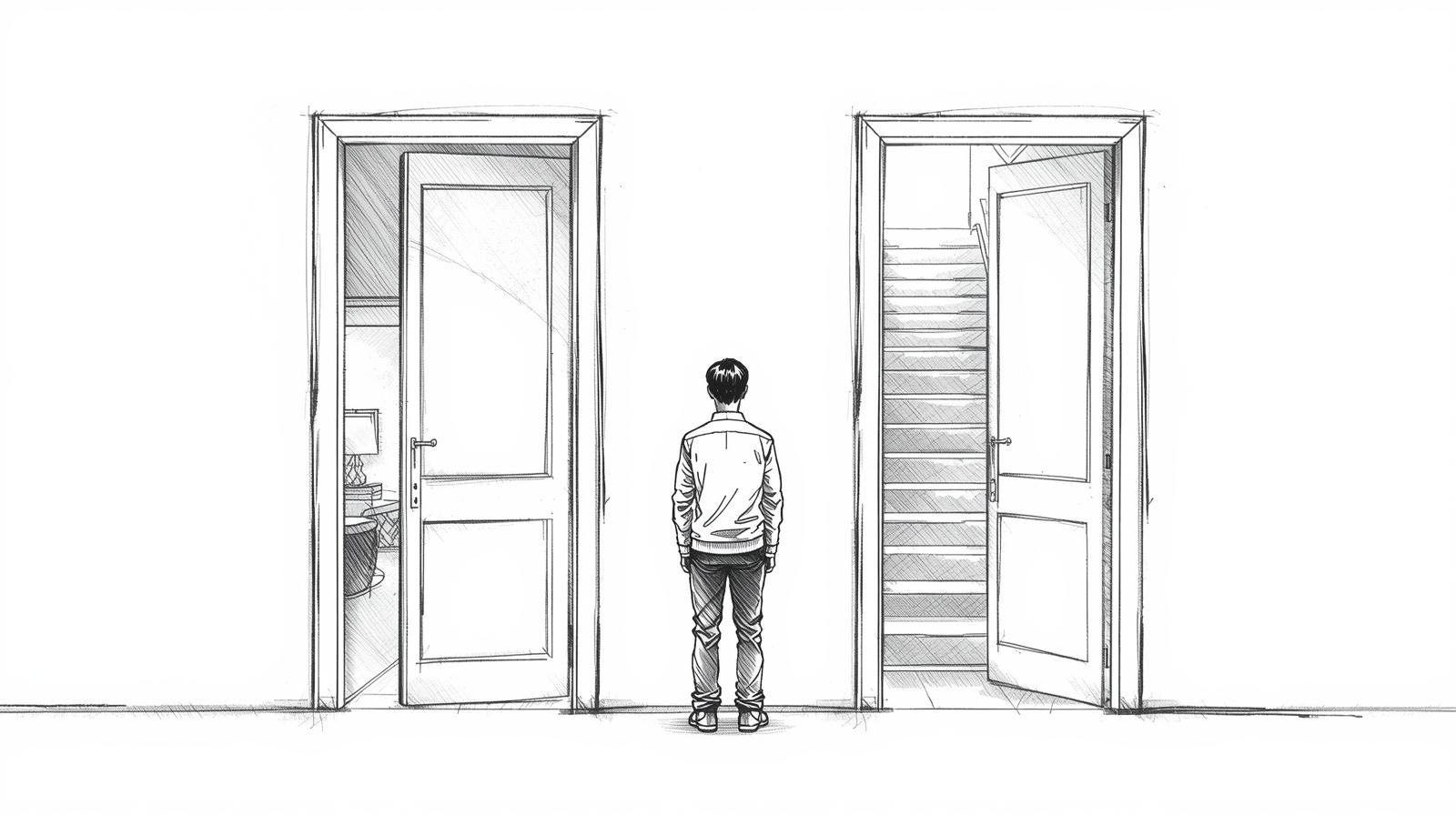
The Window Closes Faster Than People Expect
Most people come out of a serious low point one of two ways. They either change more than they expected to, or they recover more fully than they expected to.
Recovery is the default. The brain is genuinely good at it. Wilson and Gilbert's research on affective forecasting, developed across a series of studies through the 1990s and 2000s, documented what they call the impact bias: people consistently overestimate both the intensity and the duration of their emotional reactions to negative events.
The part people miss is duration. You predict you'll feel bad for longer than you actually do. You adapt back toward baseline faster than you expect, and the adaptation is partly driven by what they call immune neglect, your failure to anticipate how quickly your psychological coping mechanisms will kick in.
That adaptation mechanism is useful in many contexts. It’s why you’re not still devastated by every professional rejection you’ve ever received. But it also means the window for serious change closes faster than people typically assume.
Six months after serious burnout, many people have rebuilt enough psychological comfort that the urgency is gone. The conditions that produced the burnout are quietly reassembling themselves. The unexamined pattern that kept them in the wrong relationship has started operating again under a different name.
If you’ve been through something hard recently and you’re waiting to feel stable before making real decisions, you may be waiting until the window has already mostly closed.
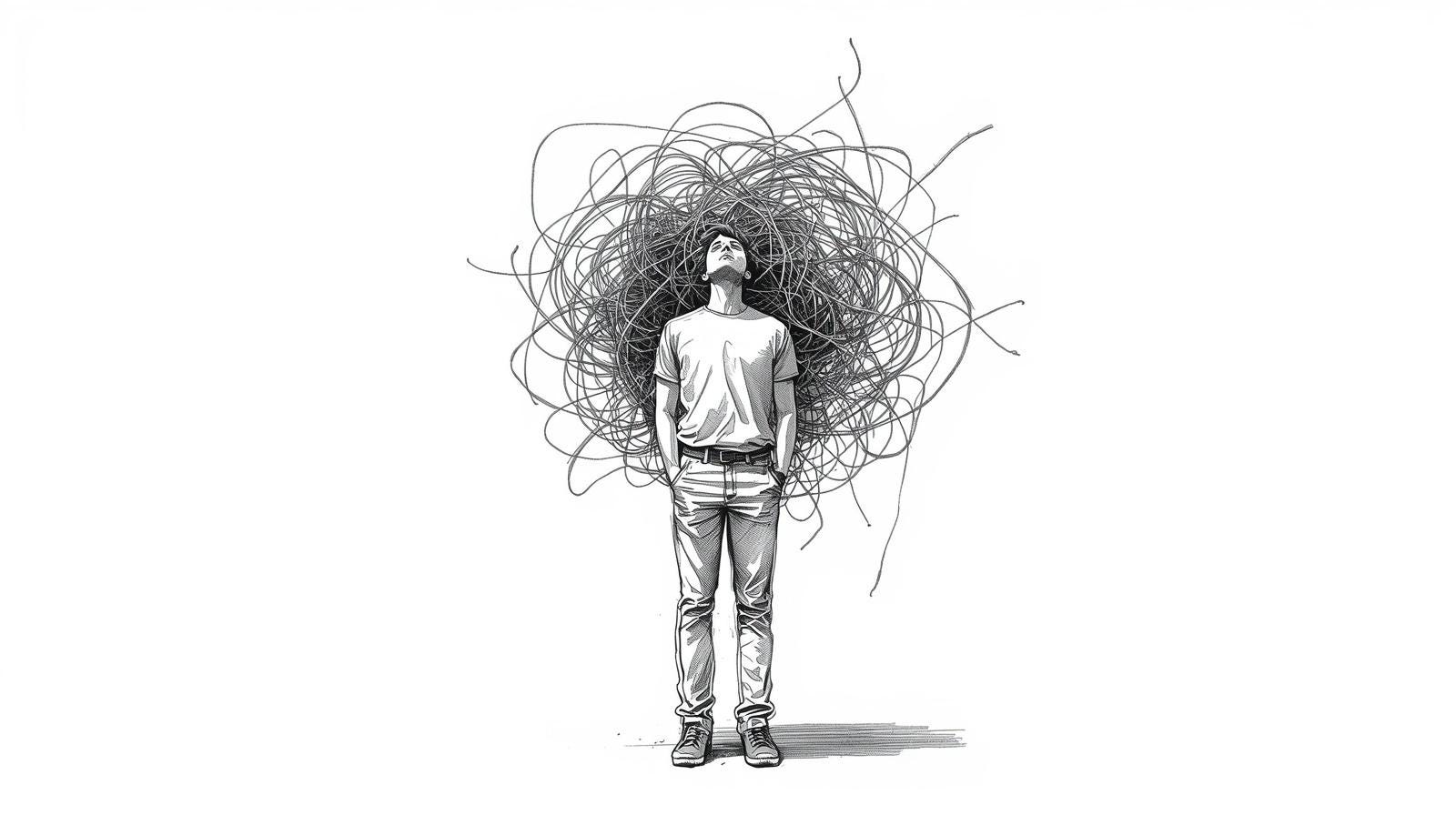
What to Do With the Wreckage Before It Rebuilds Itself
I want to be careful not to make this sound simpler than it is.
The practical advice in this category clusters around two poles: “lean into the discomfort” (which usually means, vaguely, feel your feelings) and “take action immediately” (how people make impulsive post-breakup decisions they spend years correcting). Neither is right.
What I’ve seen work, in myself and in people I’ve watched closely enough to have real information, involves something more specific.
First: write down what you were pretending wasn’t true before the low point. Not what the bad thing was. What you already knew was wrong that you weren’t looking at directly. This is uncomfortable enough that most people skip it or do a lite version where they acknowledge something vague, “I knew I wasn’t happy,” rather than something specific, “I knew I was staying because leaving felt too complicated and I was afraid I couldn’t do better.” The lite version produces lite decisions.
Second, and this one is harder: once you have that list, make at least one concrete change that addresses something on it before you feel ready to. Not while you’re in the worst of the acute pain, but during the window, while you’re still unsettled enough that your normal patterns haven’t re-solidified. This is where most people stop. They’ve identified the thing. They’ve told a few people they’re going to change it. Then they wait for the right moment, which turns out to be a moment they never quite arrive at.
I did this badly after a period of serious burnout in my life. I spent about four months in careful reflection mode: reading, having long conversations with people I respected, filling notebooks. I identified something real about how I was working and why it wasn’t sustainable. Then I made an extremely hedged version of a change that preserved most of what I’d been doing before. I called it a transition.
It was basically the same life with a slightly different description. About eighteen months later I was back in the same position, slightly more tired, slightly less optimistic about my ability to fix it.
What I didn’t do was make a decision that had actual cost to it. Not self-punishment, not dramatic disruption, just something that required giving up something I was comfortable with. I kept looking for the version of change that didn’t require a real loss.
There isn’t one.
A third thing, and take this one with some skepticism: the people who follow through tend to have told at least one specific person what they’re planning to do. Not announced it broadly. Told one person whose opinion of them matters, someone who will actually notice if they don’t do it. The mechanism is not accountability in the motivational-poster sense. It’s simpler and less flattering than that. When someone you respect knows what you said, the path of least resistance shifts slightly. Quietly abandoning the thing costs more than it did before you said it out loud.
I’ve seen people make real changes with no witnesses at all. So I don’t want to oversell this. But for the people I’ve watched struggle to act during the window, the ones who did tend to have said something specific to someone specific, rather than just held it privately.
The Specific Question That Separates Processing From Deciding
Most people who make this list and sit with it experience one of two things.
