


A surprising number of friendships end with a message that says, “We should do something soon,” followed by six weeks or six months of nothing. Nobody is angry, and nobody has decided the friendship is over. Life just happens; dinner got pushed because somebody’s kid was sick. The following week was terrible at work, then one person traveled, the other had family visiting, and eventually sending another message started to feel slightly awkward.
Months later, somebody asks what happened.
“We drifted.”
I’ve always found that sentence suspiciously gentle. It makes friendship sound like a boat that slipped away from shore while everyone was sleeping. It sounds poetic, but apparently no moment came when anyone could have done anything.
Usually there were dozens of moments.
There was the weekend when you both said you were busy without checking whether Sunday afternoon worked. There was the birthday message that became your first direct conversation in four months. There was the group chat where everyone remained technically present, reacting to a photo of someone’s dog while never managing to sit in the same room.
The feelings often survive all of this.
The habit doesn’t.
Adult friendship depends far more on logistics than we like admitting because logistics sounds cheap. Friendship is supposed to be spontaneous; you’re supposed to call because you were thinking of someone. You’re supposed to meet because you both happen to be free.
Then you become 40 and discover that two people can love each other very much while being free on different Thursdays.
The Calendar Is Quietly Editing Your Friendships
Researchers Gerald Mollenhorst, Beate Volker and Henk Flap examined Dutch personal networks across seven years. Something strange happened. The average number of confidants barely changed, moving from 2.31 to 2.41, while the actual people occupying those places changed considerably. One major reason relationships disappeared was painfully ordinary: people lost opportunities to meet.
That finding bothers me because it strips some romance from the story we tell ourselves about friendship; you can care deeply about someone and still lose the conditions that made caring easy.
School did an enormous amount of invisible work for us. So did university, a shared office, living three streets apart or going to the same pub every Friday. You saw someone because Tuesday happened. Nobody opened four calendars and negotiated Tuesday.
Then the shared context disappears.
ne person gets another job. Somebody moves 600 kilometers away; even getting a job at a new company in the same city can cause the friendship to turn into “I knew that person.” Children arrive; your friend starts dating somebody whose weekends are already full. Another person becomes the one who works until 8 p.m. and says “things should calm down next month” every month for two years.
The friendship now requires administration.
I dislike that word here too, yet removing the administration doesn’t restore spontaneity. It usually removes the meetings.
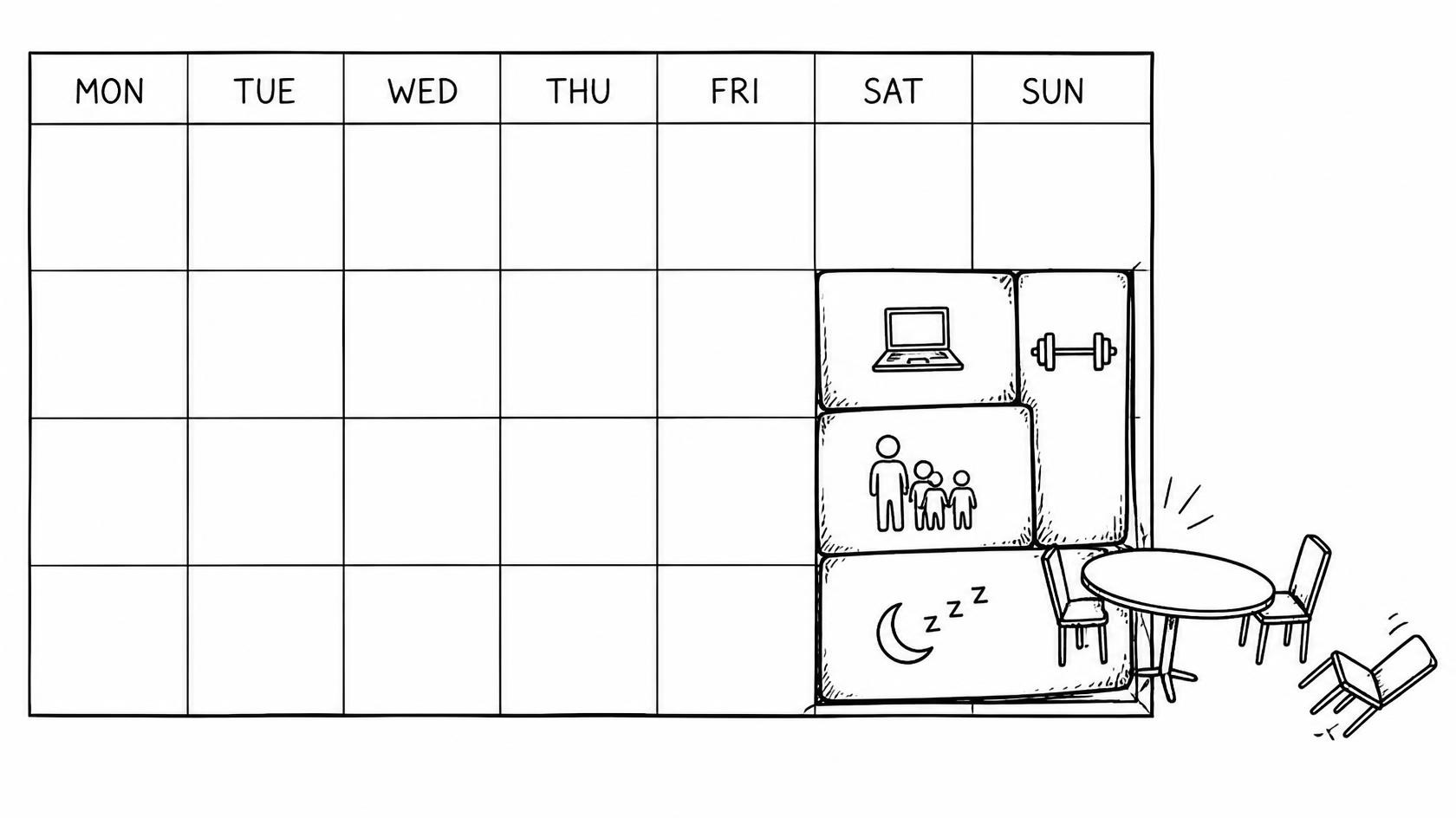
A calendar is ruthless because every entry is also a decision about everything excluded from that hour. Your friend competes with your partner, work deadlines, sleep, exercise, family obligations, hobbies, and the seductive pleasure of having absolutely nothing scheduled on Saturday morning.
Nobody has to reject the friendship directly, you only have to keep giving the available hours to something else.
Two Friends Can Still Care and Lose Each Other
A few months ago, I read an interesting study, “How many hours does it take to make a friend?” by Jeffrey Hall at the University of Kansas, that examined how new friendships develop by looking at adults who had recently moved and students entering university.
In one part of the research, the chance that a new college acquaintance would be described as a casual friend passed 50 percent after about 43 hours spent together during the first three weeks. Moving from casual friend to friend happened around 57 hours in that sample, while the friend to good or best friend threshold passed 50 percent at 119 hours.
I’m breaking my own preference for one number there because the sequence shows something useful: closeness consumes time.
Friendship begins with repeated exposure to another person. Maintaining one requires continued exposure after the convenient circumstances disappear.
Hall also found that hours spent together predicted changes in closeness over time. The type of conversation mattered too. Catching up about what had happened, joking around and having meaningful conversations were associated with increased closeness in the later waves of the student study.
This creates an unpleasant accounting problem: you have a fixed week.
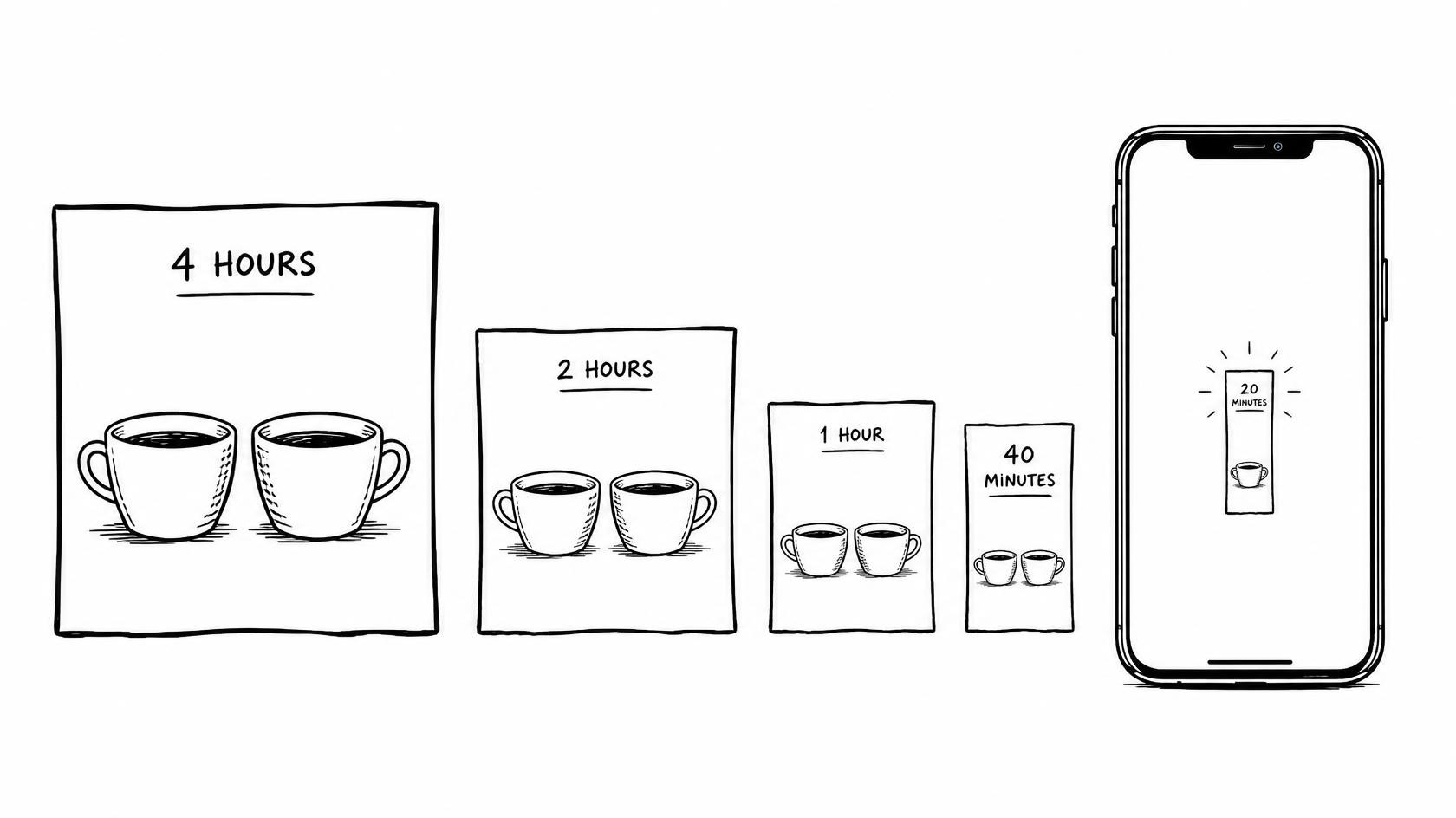
The friend who used to receive four hours without anyone planning them may now receive twenty minutes every second month, delivered mostly through a phone screen. Meanwhile, new people are physically present. You eat lunch with them, and you see them after work. You attend the same meetings and occasionally complain about the same ridiculous thing somebody said in one of them.
Time starts reallocating itself before you have formed any opinion about which friendship deserves to survive.
There are friendships that seem capable of going dormant for years and restarting over one dinner. These connections clearly exist. While writing this article, I thought of two people in my life whom I can go years without seeing, yet our shared history always draws us back together, and one dinner or one beer is the only thing we need to restart everything.
But a friend shouldn’t need to pass a maintenance test every 30 days. “We can always pick up where we left off” can become a lovely excuse for never picking anything up.
The Empty Thursday
The strangest modern friendship is the one that remains digitally alive.
You know your friend changed jobs because you liked the announcement on LinkedIn or Facebook. You saw the holiday photos, they know you renovated the kitchen because they sent a fire reaction. You exchange six memes over Insta in a week, then fail to have a conversation for three months.
The friendship produces evidence of activity while requiring very little presence.
Research suggests that emotional closeness is directly linked to how recently people have been in contact. Sam Roberts and Robin Dunbar explored this idea by examining the social networks of 251 women, finding that regular communication plays a key role in maintaining emotional bonds. Their study also revealed that friendships require more ongoing effort to maintain than relationships with family members.
That distinction between family and friends deserves more attention than it gets.
Your sibling remains your sibling through a silent year. A friend has fewer institutional protections. There may be no Christmas gathering forcing both of you into the same room, no family group chat, no wedding where attendance is assumed and no relative asking why you haven’t called.
Friendship survives on voluntary repetition, and that makes it beautiful. But it also makes it fragile.
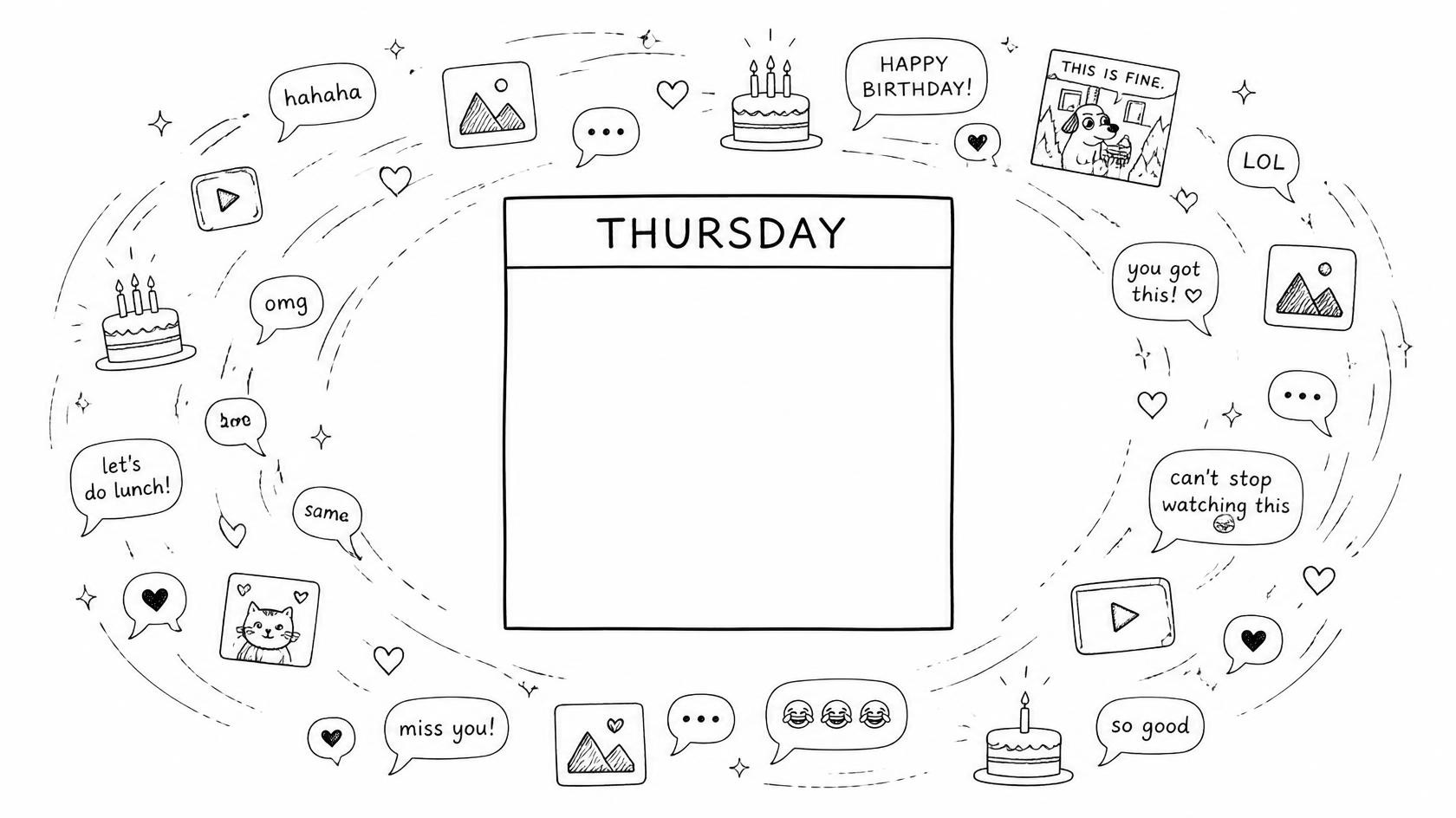
I once spent far too long looking at an old group chat while trying to remember the last time everyone in it had actually met. We were chatting for months. There were birthday messages, jokes, photos, and the occasional twenty-message argument about something completely stupid, and of course friends were complaining a lot about their work and managers. Finding an actual dinner required scrolling back much further than I expected, and after scrolling, I found out we had met 5 months ago, yet we live in the same city.
This proves nothing beyond my ability to waste time scrolling through old messages. But I suspect many people have a friendship like that. The relationship has become a stream of evidence that the relationship exists.
Meanwhile, Thursday stays empty.
Put the Date in the Calendar
“We should catch up” is one of the safest sentences in adult friendship; it expresses affection while requiring almost no risk.
“Thursday at 7?” creates a different situation. Somebody has to say yes, offer another time or reveal that seeing you currently sits low enough on the list that no alternative date is coming.
Specificity can be uncomfortable; people do not like saying no to others.
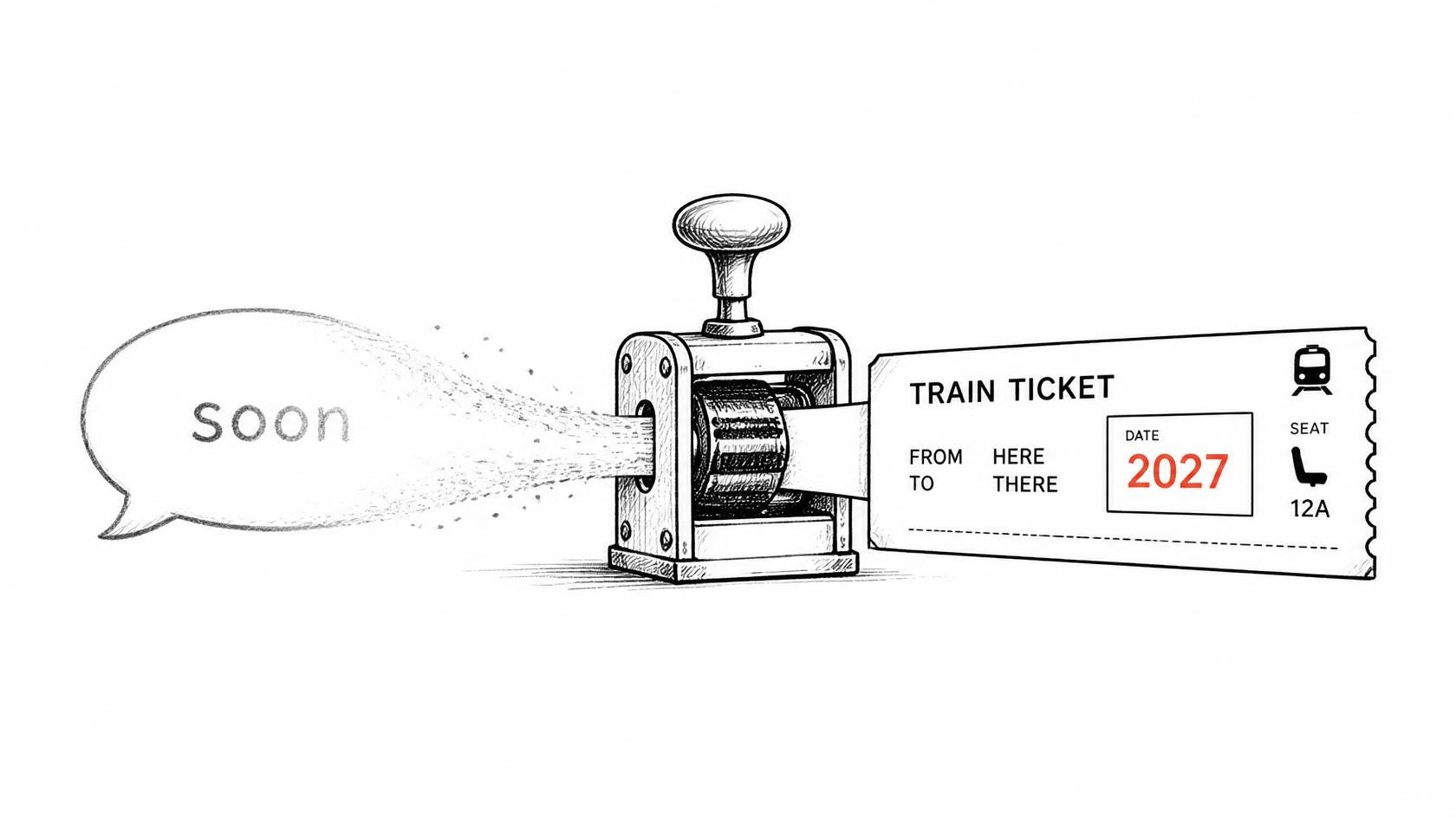
I still send the vague version sometimes. I know exactly what I’m doing when I type it; the sentence lets me feel like I reached out without forcing either of us to deal with the annoying question of when.
The kinder act is often the more expensive one.
Buy the train ticket. Offer the spare room. Send the restaurant and the date instead of asking everyone what works. Put somebody into a calendar three weeks ahead rather than waiting for the mythical evening when both of you suddenly have nothing going on.
There is a cost here that deserves to remain a cost.
A plane ticket costs money. Protecting an evening may mean refusing another invitation later; reaching out twice can make you feel needy. And asking someone for an actual date may reveal an asymmetry you preferred when the friendship existed mostly as a warm idea.
Sometimes the answer is another “crazy month, let’s figure something out soon.”
Then another. Eventually the ambiguity starts becoming information. That part hurts more than saying you drifted.
Some Friendships Still Expire
There’s another piece of research I found quite interesting because it makes physical distance more interesting.
A study using 3,820 adults aged 50 or older examined what happened to contact with friends after people moved. You know, changing cities, even countries, not just moving down the street. In-person contact was the mode most sensitive to distance. Phone contact changed mainly with long-distance moves, while written and email contact did not show the same relationship with distance.
Technology can keep communication moving after geography changes, but geography still changes the chances that two people will occupy the same room.
A message can cross Europe before you put your phone back in your pocket. Dinner still requires somebody to travel, and sometimes you do all of this and the friendship ends anyway.
People change, shared interests disappear, and one person needs a kind of closeness the other no longer wants. Some friendships were held together almost entirely by an environment that no longer exists, and recreating the old relationship outside that environment feels forced.
I don’t know how much friendship loss we should resist. I don’t want a notification telling me that Petr is overdue for friendship maintenance. I don’t want dinner with someone I love to feel like renewing car insurance.
The useful distinction may be much smaller. Notice when “we drifted” is becoming the story before either person has actually tried to put a date on the calendar.
Two people may discover they really have grown apart, or one of them may say, “Thursday works.”
Then you have to find somewhere that still has a table.
The 90-Day Calendar for Keeping Friends Close
How much effort is enough before friendship starts feeling like another obligation? I left the mechanics out because they deserve their own piece. I read about the 90-day calendar method on Insta.
It was related to something else, but a comment said, “I am using the same method for my friendships,” so I was wondering how the 90-day calendar approach to friendship reflects modern adult reality, where maintaining close bonds often requires intentional scheduling.
So start with four names.